
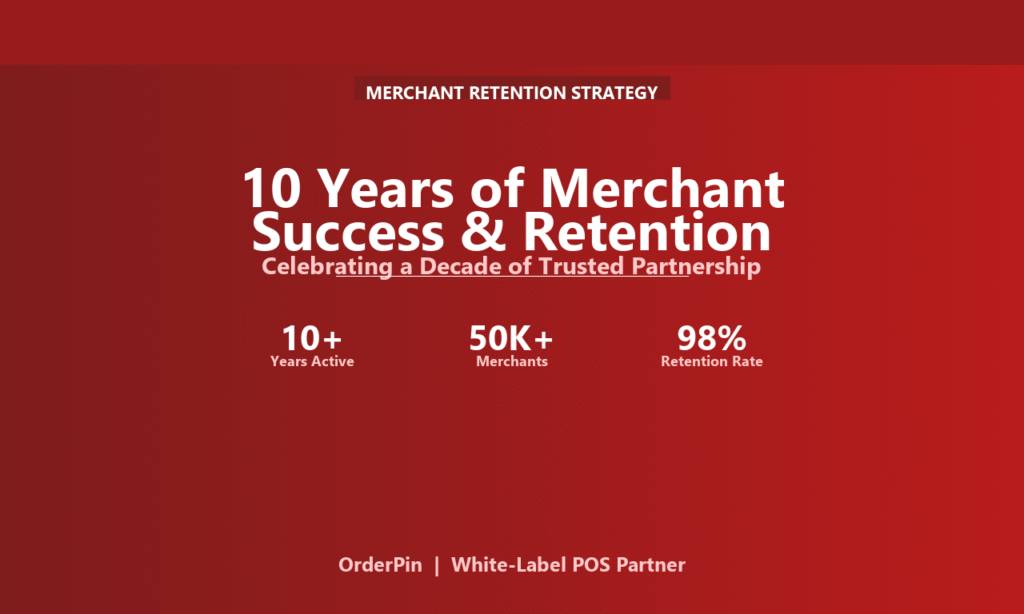
When a merchant has been with your ISO for a decade, it is not luck. It is the compound result of dozens of small decisions, moments of trust, and consistent value delivery. The same forces that drive long-term customer loyalty in any industry are at work here — and they can be understood, engineered, and replicated.
The Four Retention Archetypes
Not all long-term merchants stay for the same reasons. Understanding which archetype a merchant belongs to allows you to invest your time strategically and avoid costly missteps.
Sees you as a genuine member of their business team. They involve you in decisions about expansion, staffing, and technology. These merchants stay because leaving feels like firing a teammate.
Had a significant operational crisis — a system crash during peak hours, a chargeback nightmare, a compliance issue — that you solved. Gratitude is a powerful binding force. These merchants stay because they remember who was there when it mattered.
Switching costs are genuinely too high to bother. Years of data, integrated workflows, trained staff, and vendor relationships create genuine friction. These merchants stay because the cost of leaving exceeds the benefit of any competitor’s offer.
The brand or the person relationship is the primary driver. If your rep leaves, you may lose this merchant. Invest in making the institutional relationship stronger than the individual one.
The Five-Year Trust Loop
Long-term relationships are not built in a single moment. They are built through a predictable sequence of interactions that compound trust year over year.
Deliver on every promise. Fix things fast. Show up when you say you will. Trust is earned in Year 1 through consistency, not enthusiasm.
The most powerful trust-building event is showing up when things go wrong. Merchants who experience a problem solved by their ISO in Year 2 have dramatically higher retention rates.
Proactively present a product or feature the merchant has not yet adopted. Show them they are getting more value from the relationship every year.
You are integrated into their workflows. Your team is the first call when anything payment-related comes up. You have become part of how the business operates.
At this stage, the conversation shifts from transactional to strategic. You are advising on their business, not just billing for your service. This is the highest and most defensible retention state.
The Referral Compound Effect
Merchants who refer other merchants are not just a marketing asset — they are a signal that something deeper is working. Referral behavior is the single best leading indicator of long-term retention.
How to Engineer 10-Year Relationships
Long-term relationships are not accidents — they are the output of a deliberate process. Here are the practical steps every ISO can implement today.