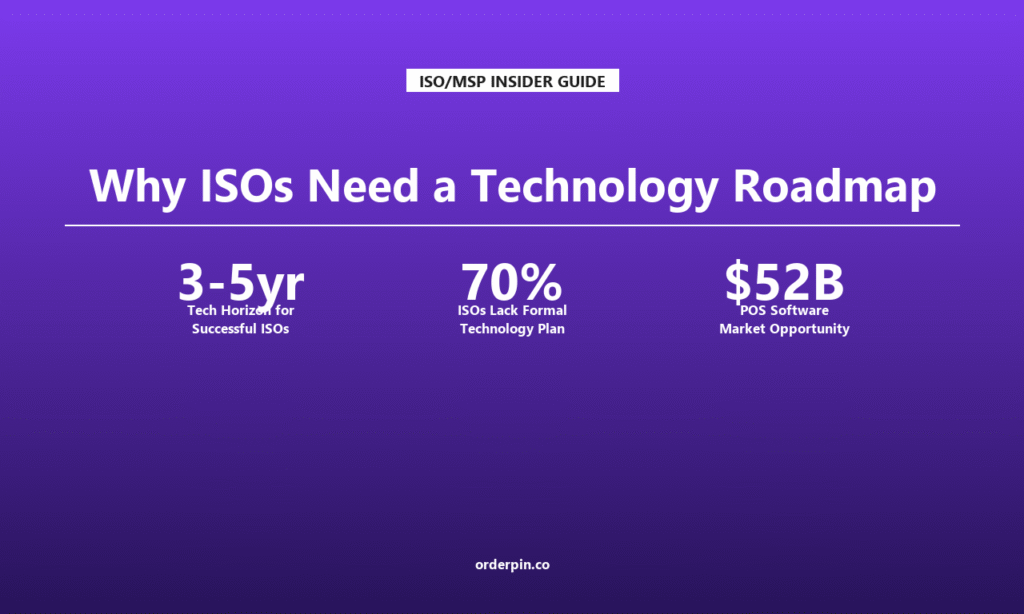
Why ISOs Need a Technology Roadmap
Most ISOs have a sales plan. Few have a technology roadmap. Here’s why the gap matters, what’s at stake, and how to build one before the window closes.

An Independent Sales Organization (ISO) is a third-party company authorized by acquiring banks and payment processors to market, sell, and manage merchant services, such as credit card processing and point-of-sale (POS) systems. They act as intermediaries, enabling businesses to accept payments and offering tailored support, often for higher-volume merchants.
Most ISOs have a sales plan. Few have a technology roadmap. Here’s why the gap matters, what’s at stake, and how to build one before the window closes.
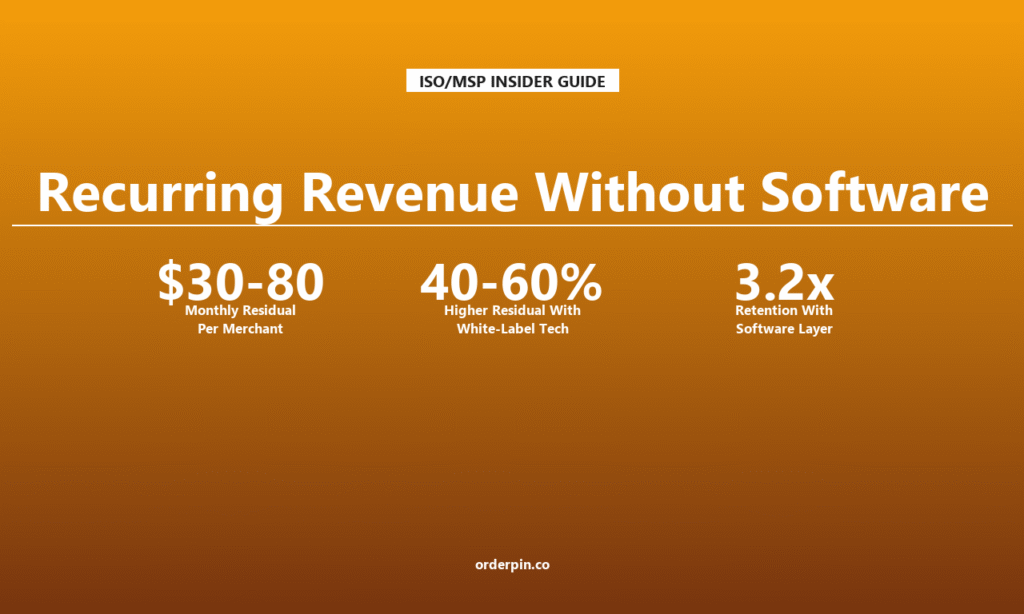
You don’t need to build software to build a recurring revenue business. Here’s how top ISOs use strategic partnerships, white-label technology, and service packaging to diversify income.
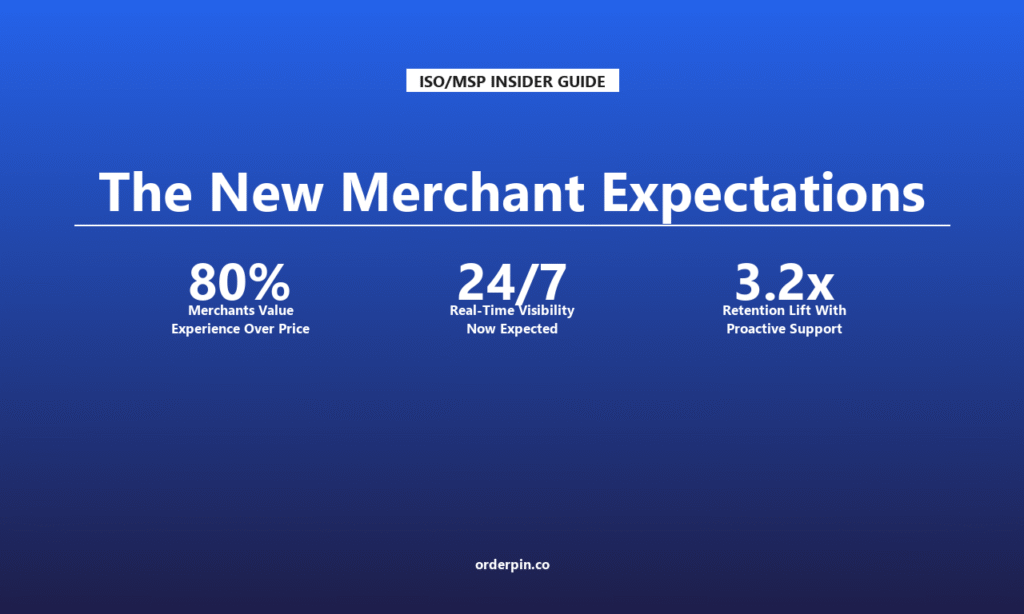
Amazon trained merchants to expect instant fulfillment. Uber trained them to expect real-time visibility. ChatGPT trained them to expect AI-driven support. Here’s what those rising expectations mean for ISOs and MSPs.
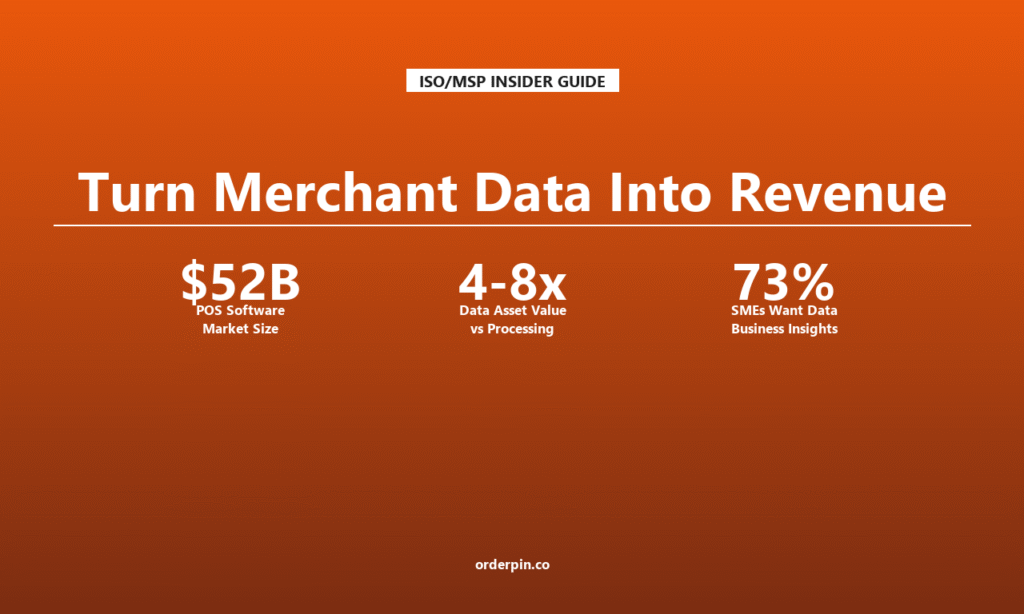
Processing revenue is commoditizing. The ISOs that are already building the next business model know it. Merchant transaction data — when owned, enriched, and applied — may be worth more than the interchange it generates. Here is the data monetization roadmap taking shape in payments.
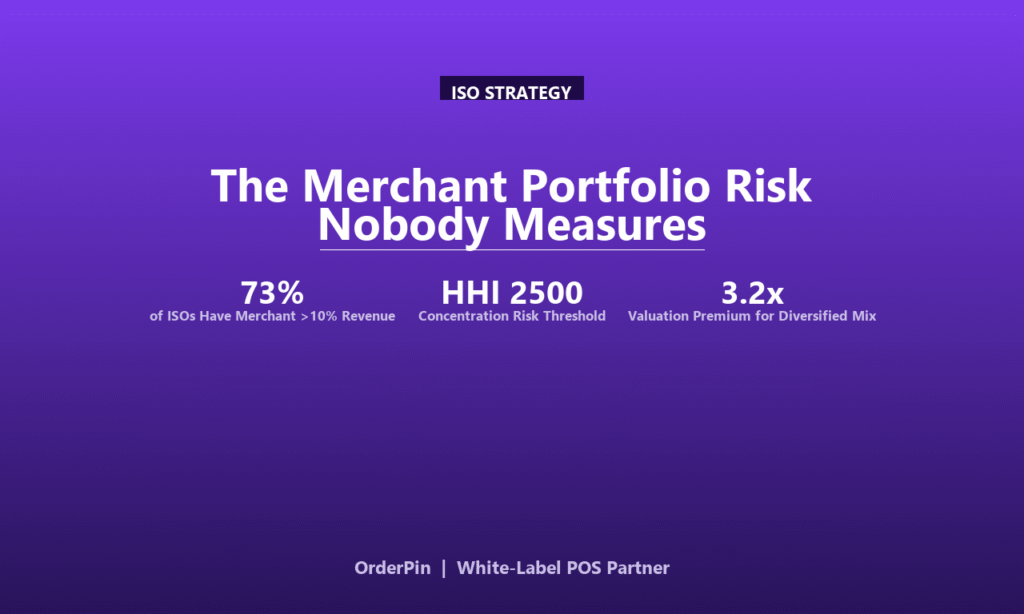
Most ISOs track merchant churn and processing volume. Almost none measure concentration risk — the danger of too few merchants carrying too much revenue. Here is how to find it and fix it before it becomes a survival problem.
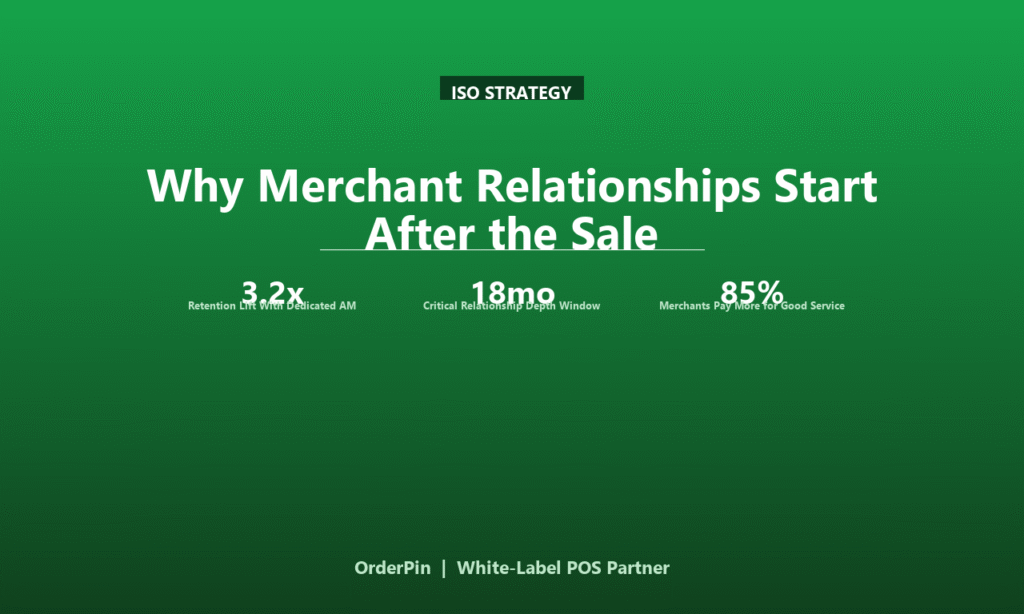
Most ISOs spend 90% of their effort winning merchants and 10% keeping them. But the relationship that builds enterprise value is the one that begins the day after onboarding. Here is the post-sale engagement framework that drives retention and expansion.
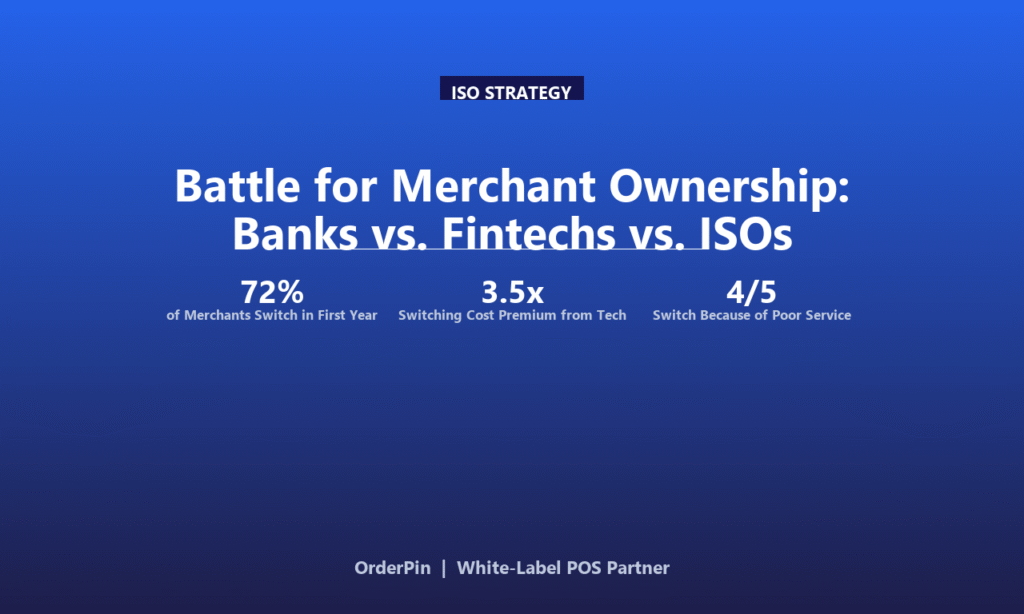
TL;DR 72% of merchants switch providers within their first year — and most do it because of poor service, not better pricing. Banks, fintechs, and vertical SaaS companies are all targeting the same merchant relationships that ISOs have spent years building. The battle for ownership is happening now. ISOs who embed software, data, and white-label …
The Battle for Merchant Ownership: Banks, Fintechs, ISOs, and Software Providers Read More »
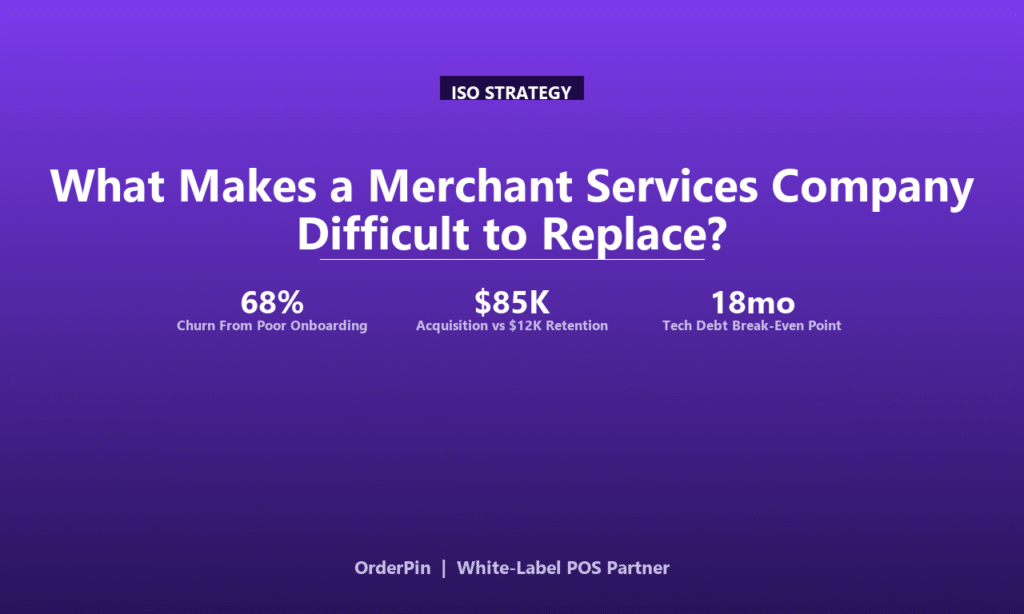
TL;DR 68% of merchant attrition happens within the first 18 months, driven primarily by poor onboarding and lack of technology adoption — not rate competition. The cost to acquire a new merchant is $85K on average; the cost to retain an existing one is under $12K. The math makes customer success a revenue investment, not …
What Makes a Merchant Services Company Difficult to Replace? Read More »
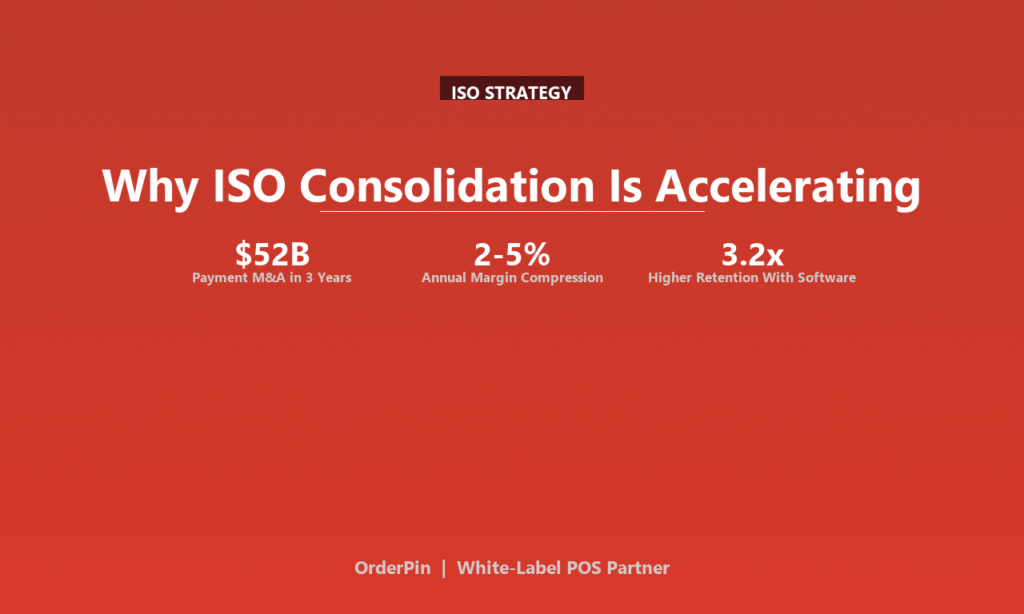
The payments industry is consolidating faster than ever. Large acquirers are absorbing independent ISOs at record pace. Here’s what’s driving it, what’s at stake, and how to build a defensible business.
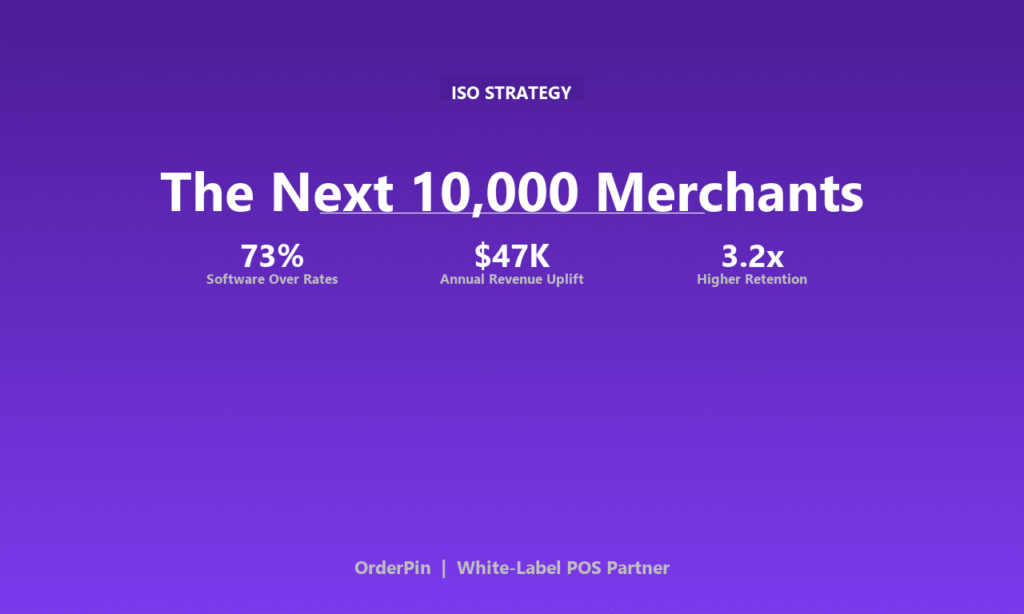
TL;DR The ISOs who dominate the next decade will stop selling payment processing and start selling operational outcomes. Merchants don’t wake up wanting lower interchange rates — they wake up wanting to run better businesses. The shift from transaction vendor to operational partner isn’t a marketing reframe. It’s a structural repositioning that changes who answers …
The Next 10,000 Merchants Won’t Buy Payment Processing First Read More »