ISO Guide

An Independent Sales Organization (ISO) is a third-party company authorized by acquiring banks and payment processors to market, sell, and manage merchant services, such as credit card processing and point-of-sale (POS) systems. They act as intermediaries, enabling businesses to accept payments and offering tailored support, often for higher-volume merchants.

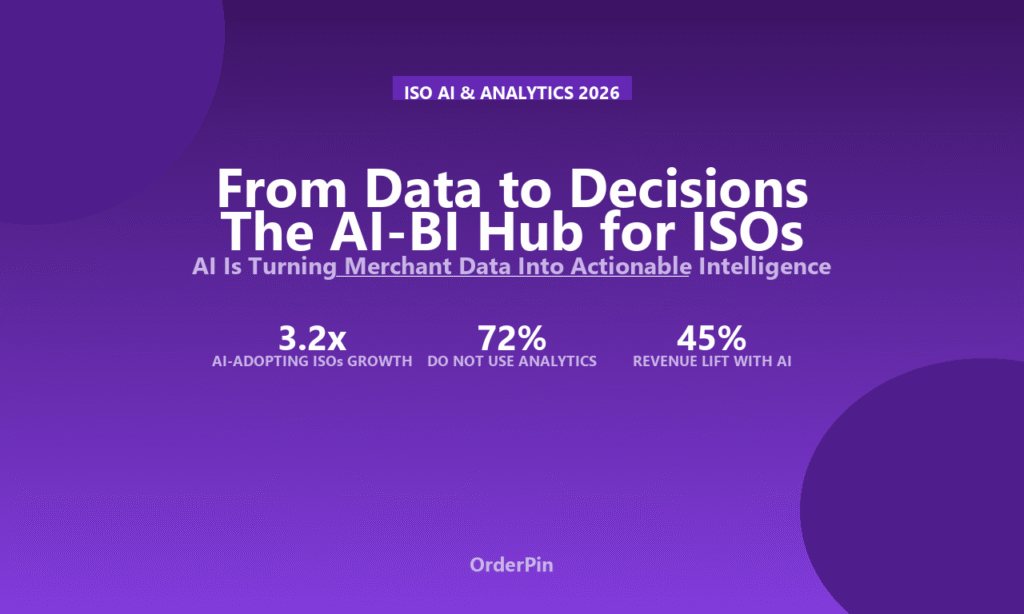
From Data to Decisions: The AI-BI Hub Revolution for ISOs

TL;DR — Quick Summary AI is transforming merchant data from a passive record into an active decision engine. ISOs that deploy AI-powered business intelligence (BI) hubs can identify upsell opportunities, predict churn, and recommend actions in real time. 72% of ISOs still do not use advanced analytics on their merchant data. The early adopters who …

From Data to Decisions: The AI-BI Hub Revolution for ISOs Read More »

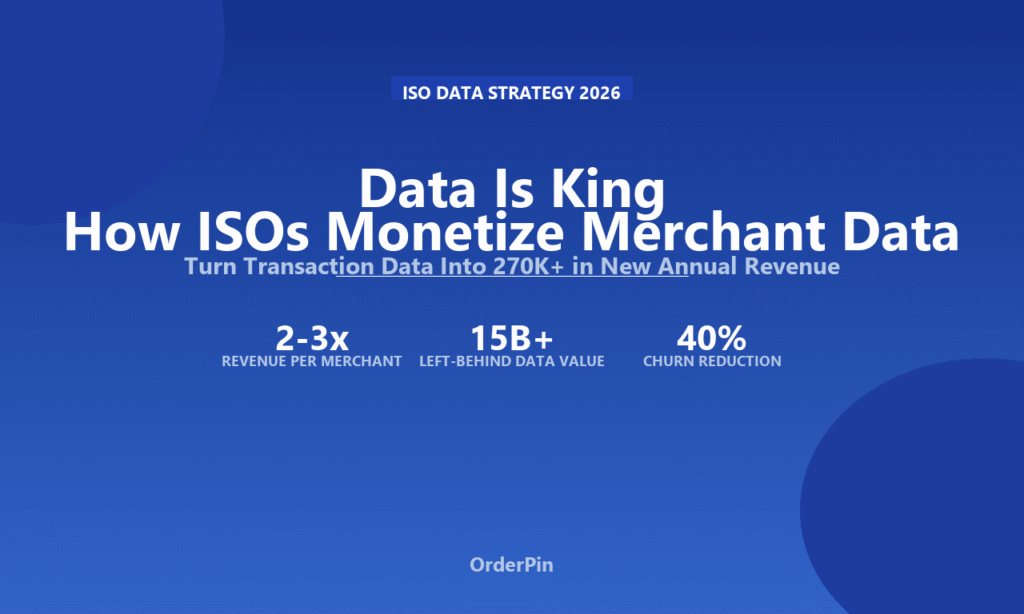
Data Is King: How ISOs Turn Merchant Transaction Data Into Revenue

TL;DR — Quick Summary Every merchant transaction generates data with real commercial value — but most ISOs leave that value on the table. The ISOs who capture, analyze, and monetize merchant data earn 2-3x more per merchant. Merchant transaction data can feed benchmarking reports, upsell triggers, predictive churn models, lending underwriting, and portfolio valuation — …

Data Is King: How ISOs Turn Merchant Transaction Data Into Revenue Read More »

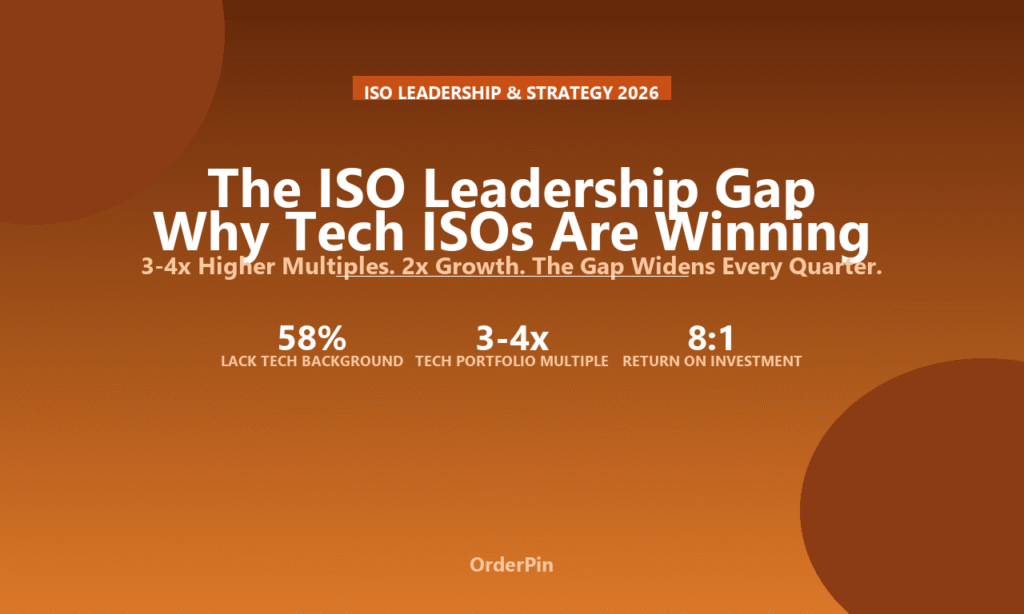
The ISO Leadership Gap: Why Technology ISOs Are Eating Your Lunch

TL;DR — Quick Summary The skills gap between traditional ISOs and technology-native ISOs is widening fast. The best ISOs in 2026 are led by people who understand software, data, and platform economics — not just processing. Portfolios built by technology ISOs command 3-4x higher acquisition multiples because they include SaaS revenue, integrated data, and sticky …

The ISO Leadership Gap: Why Technology ISOs Are Eating Your Lunch Read More »

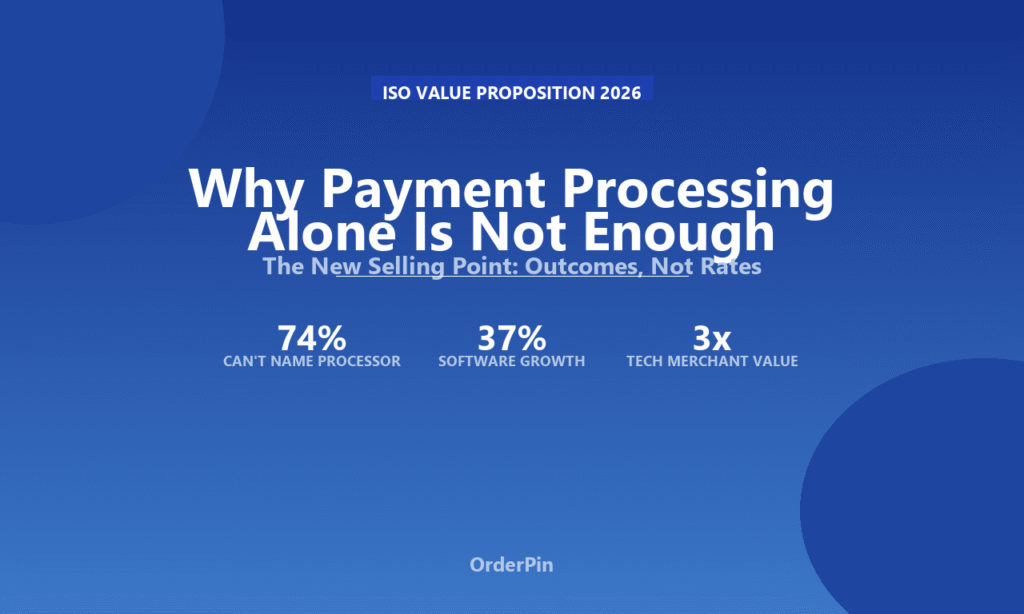
Why Payment Processing Alone Is No Longer a Selling Point for ISOs

TL;DR — Quick Summary Payment processing has become a commodity — merchants see it as a utility, not a differentiator. The average merchant can’t name their processor but can name their POS system. Hardware margins on terminals have dropped 60%+ since 2020 as Clover, Square, and Toast commoditized the device market. ISOs relying on hardware …

Why Payment Processing Alone Is No Longer a Selling Point for ISOs Read More »

The ISO Business Model in 2026: Why Transaction Residuals Alone Won’t Cut It

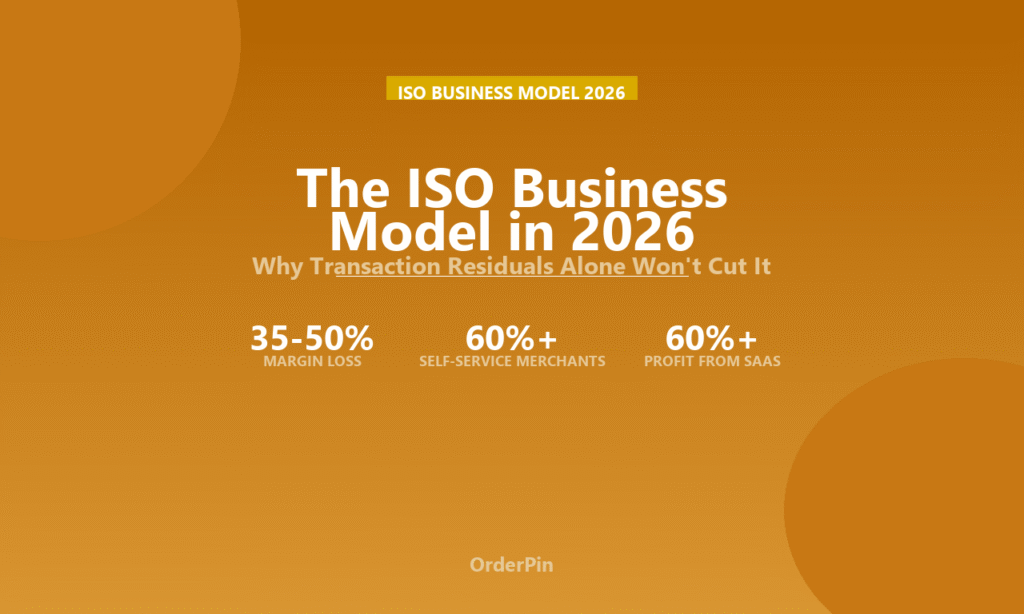
TL;DR — Quick Summary The traditional ISO model — selling processing at razor-thin margins and living on residuals — is structurally declining. Rate compression has cut effective margins by 35–50% since 2020. Merchant attrition is accelerating as self-service platforms (Square, Toast, Lightspeed) absorb 60%+ of new merchant signups. ISOs using the old model are losing …

The ISO Business Model in 2026: Why Transaction Residuals Alone Won’t Cut It Read More »

Merchant Services in 2030: 5 Forces Reshaping What ISOs Do and Who Survives

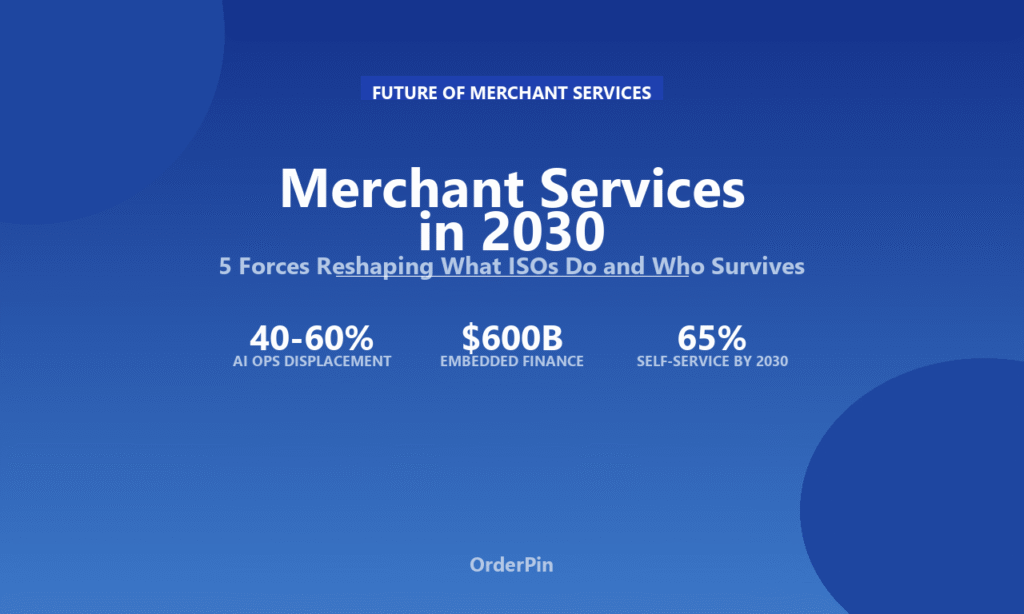
TL;DR — Quick Summary Five forces will reshape merchant services by 2030: AI-driven automation, embedded finance, omnichannel intelligence, self-service infrastructure, and data monetization. ISOs that don’t adapt will lose relevance. AI automation will replace 40–60% of routine ISO operations — from underwriting to chargeback management — forcing ISOs to re-skill their teams for higher-value advisory …

Merchant Services in 2030: 5 Forces Reshaping What ISOs Do and Who Survives Read More »

What Payment Industry Acquirers Actually Look for When Buying an ISO Book

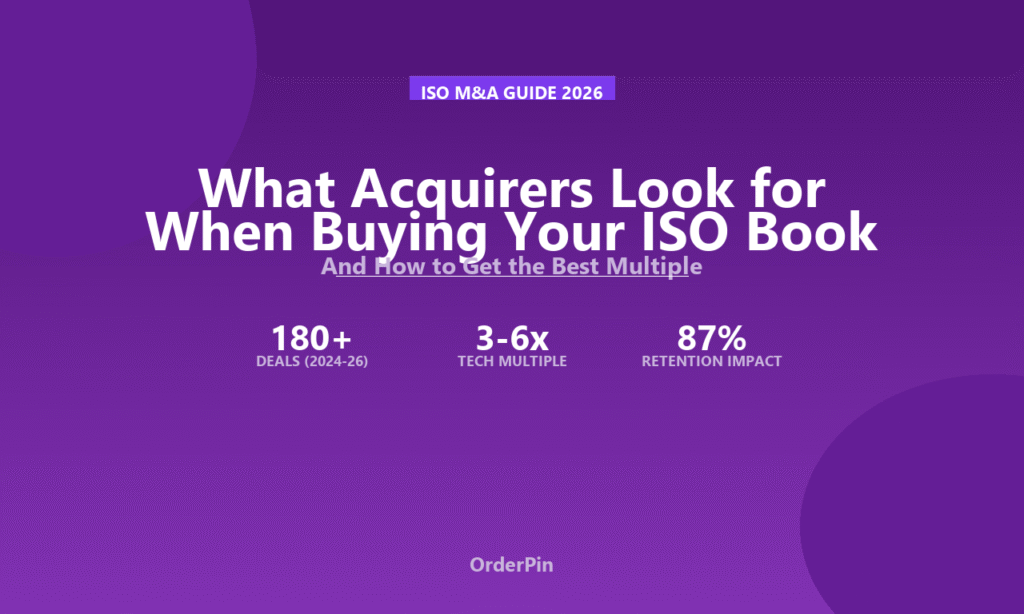
TL;DR — Quick Summary Acquirers care about more than just processing volume. Retention rate (87%), monthly renewal consistency (82%), and software penetration (76%) are the top three factors that determine your ISO book’s acquisition multiple. Pure MID-count portfolios sell for 1–2x ARR. Portfolios with strong retention metrics and software attach rates sell for 3–6x ARR …

What Payment Industry Acquirers Actually Look for When Buying an ISO Book Read More »

Payment Portfolio vs Technology Portfolio: Why Your ISO Book Is Worth What You Add to It

TL;DR — Quick Summary Your ISO book’s exit valuation depends on what you’ve added beyond payment processing. A pure payment portfolio sells for 1–2x ARR. A technology portfolio with POS software and data services commands 3–5x ARR. Software bundling creates merchant stickiness independent of pricing. Merchants using 3+ software tools through their ISO churn at …

Payment Portfolio vs Technology Portfolio: Why Your ISO Book Is Worth What You Add to It Read More »

Scroll to Top