
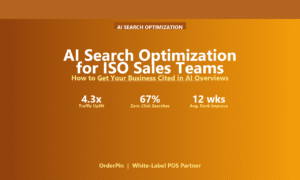

The New Merchant Acquisition Funnel in the AI Search Era: How ISOs Get Found in 2026
TL;DR Merchants are changing how they find payment providers. In 2026, 40% of B2B search begins in AI tools like ChatGPT, Perplexity, and Gemini —
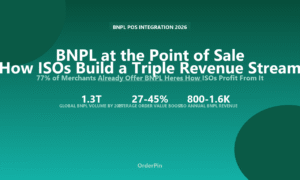
BNPL at the Point of Sale: How ISOs Can Integrate Buy Now Pay Later
77% of merchants now offer BNPL in-store. ISOs who integrate BNPL at the POS earn $800-1,600 per merchant in ancillary revenue through referral fees and SaaS add-ons.
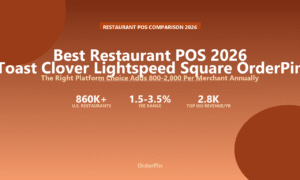
Best POS Systems for Restaurants 2026: An ISO Perspective
TL;DR — Quick Summary The best POS system for restaurants in 2026 depends on the restaurant type, volume, and whether the ISO wants white-label flexibility
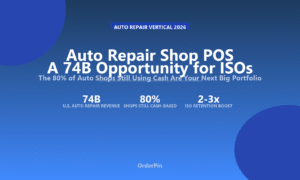
Auto Repair Shop POS: The Cash-Heavy Vertical Ripe for Payment Innovation
TL;DR — Quick Summary The U.S. auto repair industry processes $74 billion annually, yet 80% of shops still use paper-based or legacy cash-only systems. This
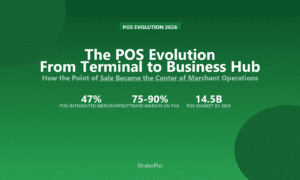
The POS Evolution: From Transaction Terminal to Merchant Business Hub
TL;DR — Quick Summary The POS has evolved from a simple payment terminal into the central operating system for merchants. It now handles inventory, payroll,
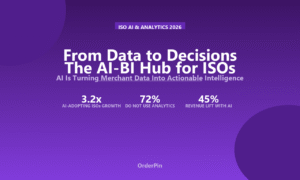
From Data to Decisions: The AI-BI Hub Revolution for ISOs
TL;DR — Quick Summary AI is transforming merchant data from a passive record into an active decision engine. ISOs that deploy AI-powered business intelligence (BI)
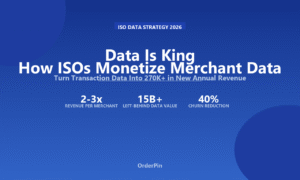
Data Is King: How ISOs Turn Merchant Transaction Data Into Revenue
TL;DR — Quick Summary Every merchant transaction generates data with real commercial value — but most ISOs leave that value on the table. The ISOs
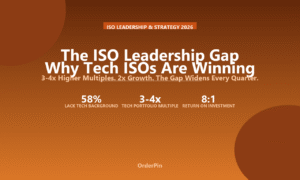
The ISO Leadership Gap: Why Technology ISOs Are Eating Your Lunch
TL;DR — Quick Summary The skills gap between traditional ISOs and technology-native ISOs is widening fast. The best ISOs in 2026 are led by people
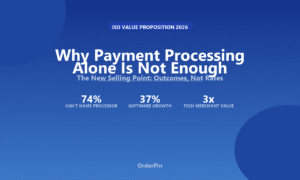
Why Payment Processing Alone Is No Longer a Selling Point for ISOs
TL;DR — Quick Summary Payment processing has become a commodity — merchants see it as a utility, not a differentiator. The average merchant can’t name