
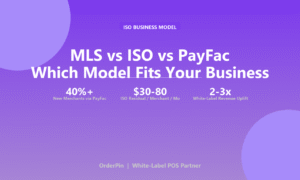

MLS vs ISO vs PayFac: Which Model Fits Your Business in 2026?
TL;DR — Quick Summary Key Takeaway 1: PayFac models now account for 40%+ of new merchant acquisitions, but ISOs who add white-label technology earn 2–3x
Smart Terminal Wars: PAX, Verifone, and Dejavoo Compared for ISOs
TL;DR — Quick Summary Key Takeaway 1: The smart POS terminal market exceeds $120 billion, and ISOs who choose the right terminal partner gain a
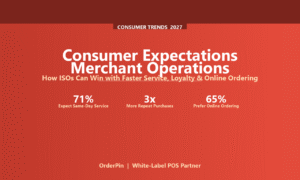
How Consumer Expectations Are Reshaping Merchant Operations
TL;DR — Quick Summary What’s changed: 71% of customers now expect same-day service; 65% prefer restaurants with native online ordering; loyalty members generate 3x more
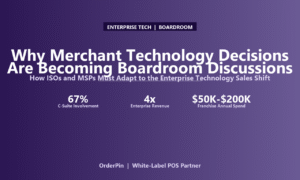
Why Merchant Technology Decisions Are Becoming Boardroom Discussions
TL;DR Merchant technology purchasing used to happen in the back office. Not anymore. 67% of merchants with 10+ locations now involve C-suite executives in POS
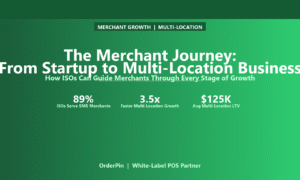
The Merchant Journey: From Startup to Multi-Location Business
TL;DR 89% of ISOs primarily work with SMB merchants — businesses that are often stuck at a single location, growing slowly or not at all.
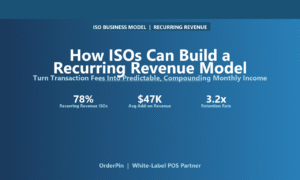
How ISOs Can Build a Recurring Revenue Business Model
TL;DR ISOs built on transaction fees alone carry a hidden vulnerability: their income rises and falls with merchant volume, and merchants leave when a competitor
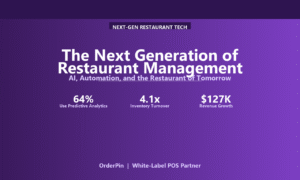
The Next Generation of Restaurant Management
TL;DR The operators defining restaurant management in 2027 have stopped treating technology as a back-office convenience and started treating it as a co-pilot. AI-assisted scheduling,
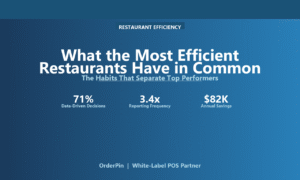
What the Most Efficient Restaurants Have in Common
TL;DR The restaurants in the top 10% don’t win by working longer hours. They win by building systems that make the right information unavoidable, turn
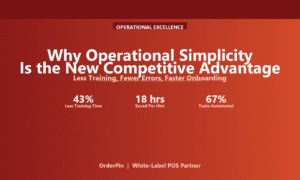
Why Operational Simplicity Is the New Competitive Advantage
TL;DR The restaurants winning today aren’t the ones with the most features — they’re the ones that run with the least friction. Operational simplicity compresses